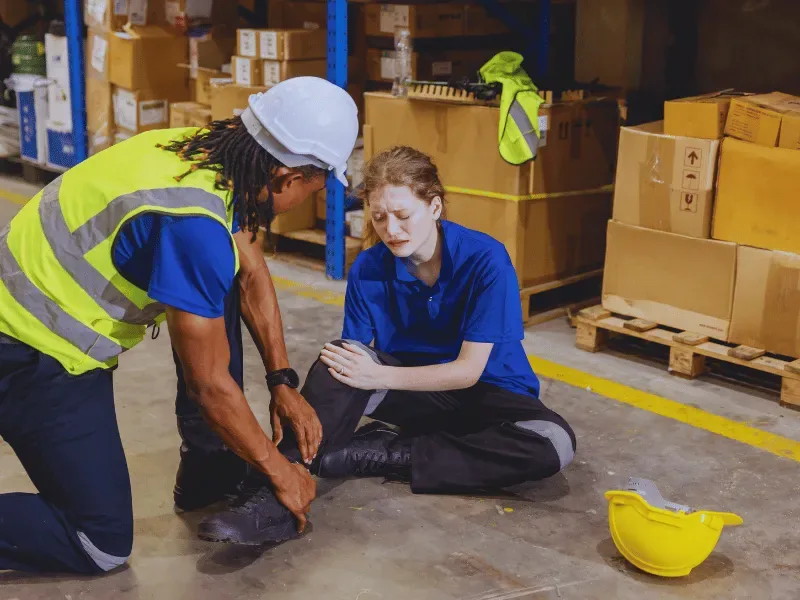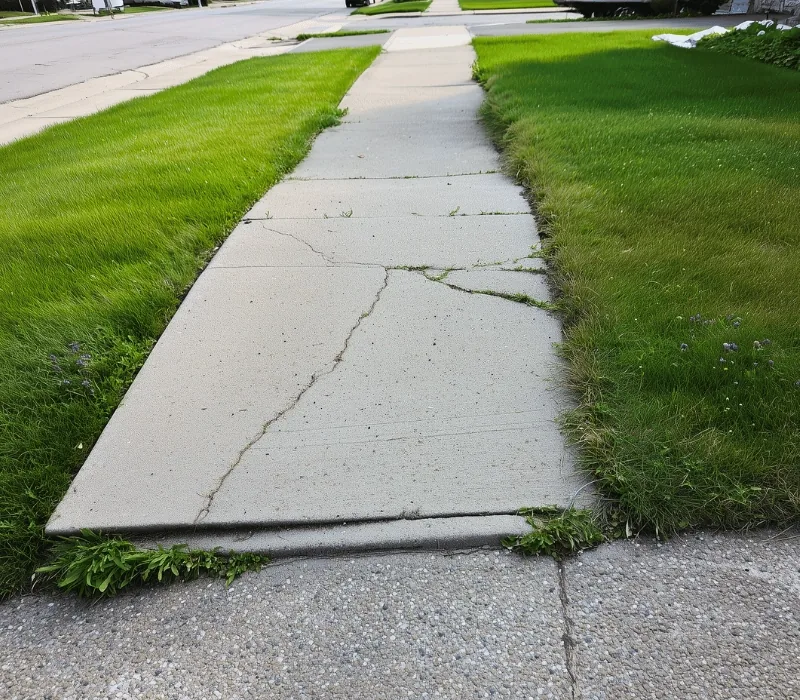
Premises liability applies when an unsafe condition on someone else's property hurts you. Falls are the best-known example, but the same rules cover falling merchandise, broken railings, dark stairwells, unfenced pools, and assaults that reasonable security would have prevented. Williams & Gasparian Law handles these cases across Los Angeles County as well as the rest of California.
The question in every premises case is the same: did the person in control of the property act reasonably? We answer it with inspection records, maintenance logs, prior complaints, video, and witness accounts, gathered before they disappear.
Common Premises Liability Cases
Where the injury happened shapes who was responsible for the condition.
- Slip, trip, and fall hazards. Wet floors, broken pavement, loose carpet, and bad stairs. We cover these in detail on their own pages.
- Falling merchandise. Overstacked shelves and unsecured displays in warehouse-style stores.
- Broken railings and balconies. Rotted wood, loose anchors, and railings below code height.
- Inadequate lighting. Parking structures, stairwells, and walkways where hazards cannot be seen.
- Negligent security. Assaults in apartment complexes, bars, hotels, or parking lots where prior crimes were known and nothing was done.
- Swimming pools. Missing fences, broken gate latches, and non-compliant drain covers.
- Elevators and escalators. Sudden stops, misleveling, and entrapment from skipped maintenance.
What You May Be Able to Recover
California law lets an injured person claim two kinds of losses.
Economic losses
- Medical treatment so far, and the cost of care you will need later
- Wages you lost while you could not work
- Reduced ability to earn if the injury is lasting
- Counseling after an assault
- Property damaged in the incident
Non-economic losses
- Physical pain
- Emotional distress and fear
- Loss of the activities you used to enjoy
- Scarring, disfigurement, or permanent disability
We do not quote case values on this site. Every case depends on the injury, the evidence of what the owner knew, and the insurance available.
California Rules That Affect Premises Cases
- The duty of care
- Civil Code section 1714 makes everyone responsible for injuries caused by their failure to use ordinary care. For a property owner or occupier, that means inspecting the property, repairing hazards, and warning about the ones that cannot be fixed right away.
- Who is responsible
- The owner, the tenant or business operating there, a property manager, or a contractor doing work on the site. A lease may assign responsibility between them, but an injured person can bring a claim against any party whose negligence contributed.
- Notice
- You must show the responsible party knew about the hazard or would have discovered it with reasonable inspection. Prior complaints, work orders, and inspection logs are how that is proven.
- Negligent security
- When a crime on the property was reasonably foreseeable, an owner who did not take reasonable steps to prevent it can be held responsible for what a third party did. Courts weigh how foreseeable the crime was against the burden of the measure that would have prevented it. Costly measures such as security guards usually require evidence of prior similar crimes. Simpler measures, such as better lighting, may require less.
- Public property
- Injuries on city, county, or state property fall under Government Code section 835 and require a written claim within six months.
- Deadline to file
- Two years from the injury to file a lawsuit against a private party. Six months for a government claim.
- Shared fault
- California follows pure comparative negligence. Any share of fault assigned to you reduces the recovery. It does not eliminate it.
What Happens After You Call
Five stages, from the first phone call to the day the case closes.
A free consultation
You tell us what happened. We tell you whether you have a case and what we would do first. No charge, no obligation to hire us.
Investigation
We gather the police or incident report, photos, witness statements, medical records, and video. When a case calls for it we bring in accident reconstructionists or treating physicians.
Dealing with the insurance companies
Once you hire us, insurers deal with us instead of you. We handle the calls, the letters, and the requests for recorded statements. You focus on treatment.
Negotiation or a lawsuit
When your treatment has gone far enough to know what your losses are, we send a demand. If the insurer will not pay a fair amount, we file a lawsuit and prepare the case as if it will be tried.
Resolution
Most cases settle. Some go to trial. Either way, we explain every offer to you in plain terms, and the decision to accept or reject it is yours.
Questions People Ask Us
Four things: that a dangerous condition existed, that the responsible party knew about it or should have found it, that they did not fix it or warn about it, and that it caused your injury. Most of the work is in the second one, which is why we move quickly on records and video.
Usually the landlord or the management company, because they control the hallways, stairs, parking, and grounds. A tenant is not responsible for common areas. We review the lease and the management agreement to see who had the duty.
Possibly, if the owner knew or should have known that crime there was foreseeable, often because similar crimes had happened before, and did not take reasonable steps such as lighting, cameras, or security patrols. These cases depend heavily on the property's history, which we investigate.
Then a written government claim must be filed within six months, and the legal standard is different from a claim against a private owner. Call soon so the claim is filed in time.
Two years against a private party. Six months for a government claim. Video and inspection records are often kept for only a short time, so the practical deadline for evidence is much shorter.
We work on a contingency fee. You pay no fee up front, and our fee is a percentage of what we recover for you. If we recover nothing, you owe no attorney fee. You owe nothing for case costs either.
Talk to a Premises Liability Lawyer in Glendale
If you were hurt by an unsafe condition on someone else's property anywhere in California, call us or send the form. We will review what happened at no charge.